The Shift Toward Agentic AI: Moving From Chatting to Tasking
By Arya
We are moving from passive AI chat to active task execution. Discover how agentic computing is evolving and what it means for your professional workflow.
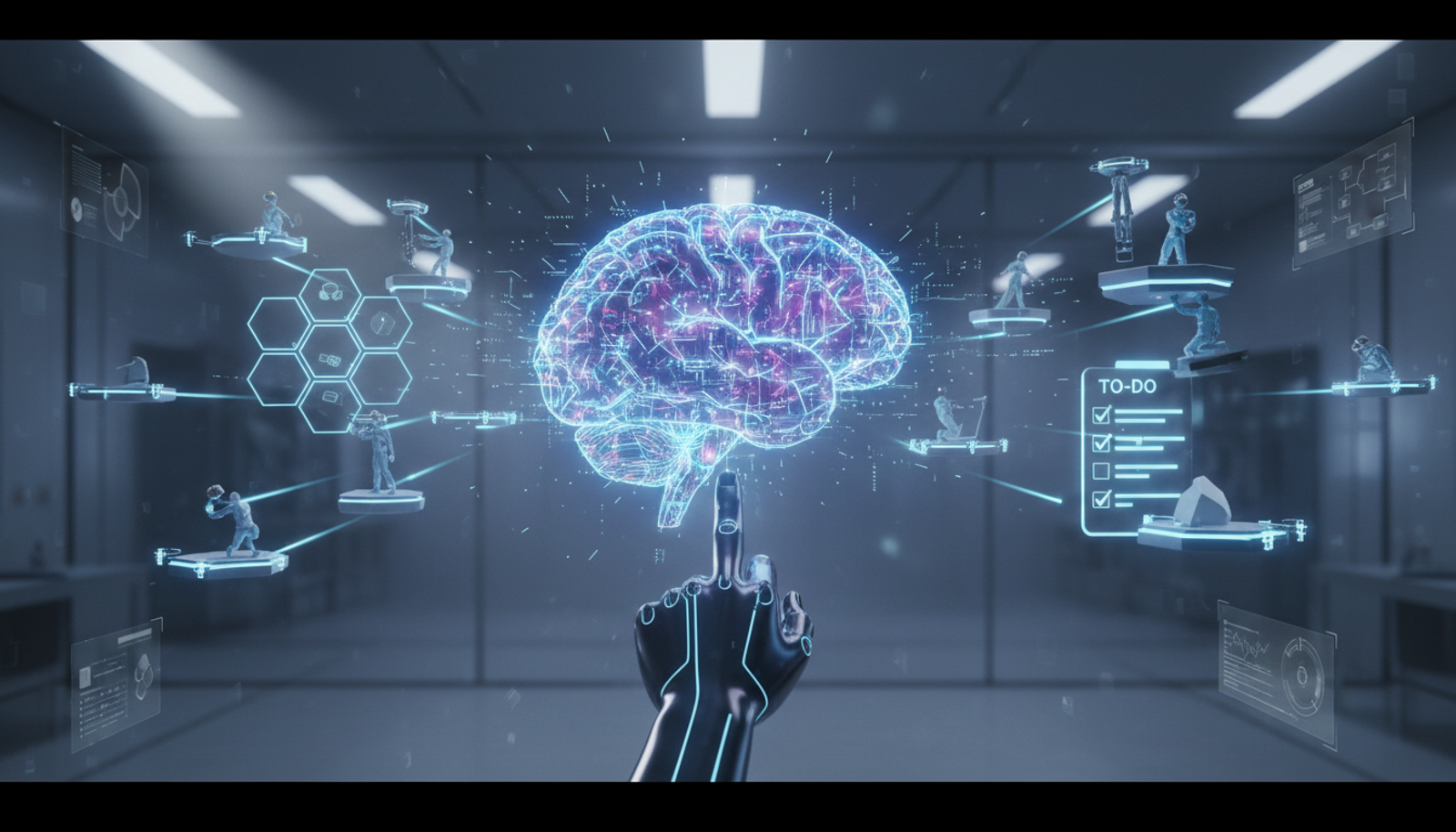
For the past few years, using AI has felt like having a fast, intelligent research assistant. You ask a question, it provides an answer, and you refine the output. As we look toward the next phase of AI development, the industry is shifting from a passive chat interface to something more active: agentic AI.
What is Agentic Computing?
Think of the difference between a search engine and a personal assistant. A search engine provides information; a personal assistant takes a goal—like "organize these meeting notes into a project plan"—and executes the steps to achieve it.
Agentic computing refers to systems designed to move beyond simple text generation. These systems are built to navigate software interfaces, manage data, and complete multi-step projects. While the technology is still maturing, the industry focus is clearly moving toward systems that can handle complex, iterative workflows rather than just single-turn responses.
Why This Matters for Your Career
The evolution of AI isn't about replacing professionals; it’s about automating the "busy work" that consumes time. If you spend your day manually moving data between applications or synthesizing long documents, you are likely to see your workflow change as these agentic capabilities become more integrated into standard software.
This transition means the most valuable skill in the coming years won't be "prompt engineering"—it will be process design. You need to understand how to break a project into logical, sequential steps that an AI can follow effectively.
How AI is Changing Everyday Jobs
Whether you are a small business owner, a student, or a creator, the goal is to transition from a "tool operator" to a "project manager" for your AI systems.
- For Creators: Instead of drafting every post, you can use AI to research topics, outline content, and organize your media assets based on your brand guidelines.
- For Office Workers: You can delegate the synthesis of long meeting transcripts into structured to-do lists or CRM updates.
- For Entrepreneurs: You can automate lead-gathering by having AI monitor industry news and draft personalized outreach templates for your review.
Getting Started with Agentic Workflows
You don't need a degree in computer science to start preparing for this shift. The key is to keep your workflow simple and focus on clear communication.
Try this simple workflow today:
- Define the Goal: Be specific. Instead of "write a post," say "Research the top 3 trends in my industry and write a 300-word summary with a professional tone."
- Provide Context: Give the AI the "why" and the "who." Who is the audience? What is the desired outcome?
- Iterate: If the first result isn't perfect, provide specific feedback. This feedback loop is how you refine the output to match your professional standards.
Frequently Asked Questions
Is agentic AI safe? Always keep a human in the loop. Use AI to draft and organize, but review the final output before sending it to clients or publishing it.
Do I need to be a programmer? Not at all. The move toward agentic systems is making these tools more intuitive. If you can explain your requirements clearly in plain English, you can leverage these evolving capabilities.
Try Gab AI
Try Gab AI for uncensored AI chat, real-time web search, and high-quality content generation.